

What To Do After a Flood or Broken Water Pipe
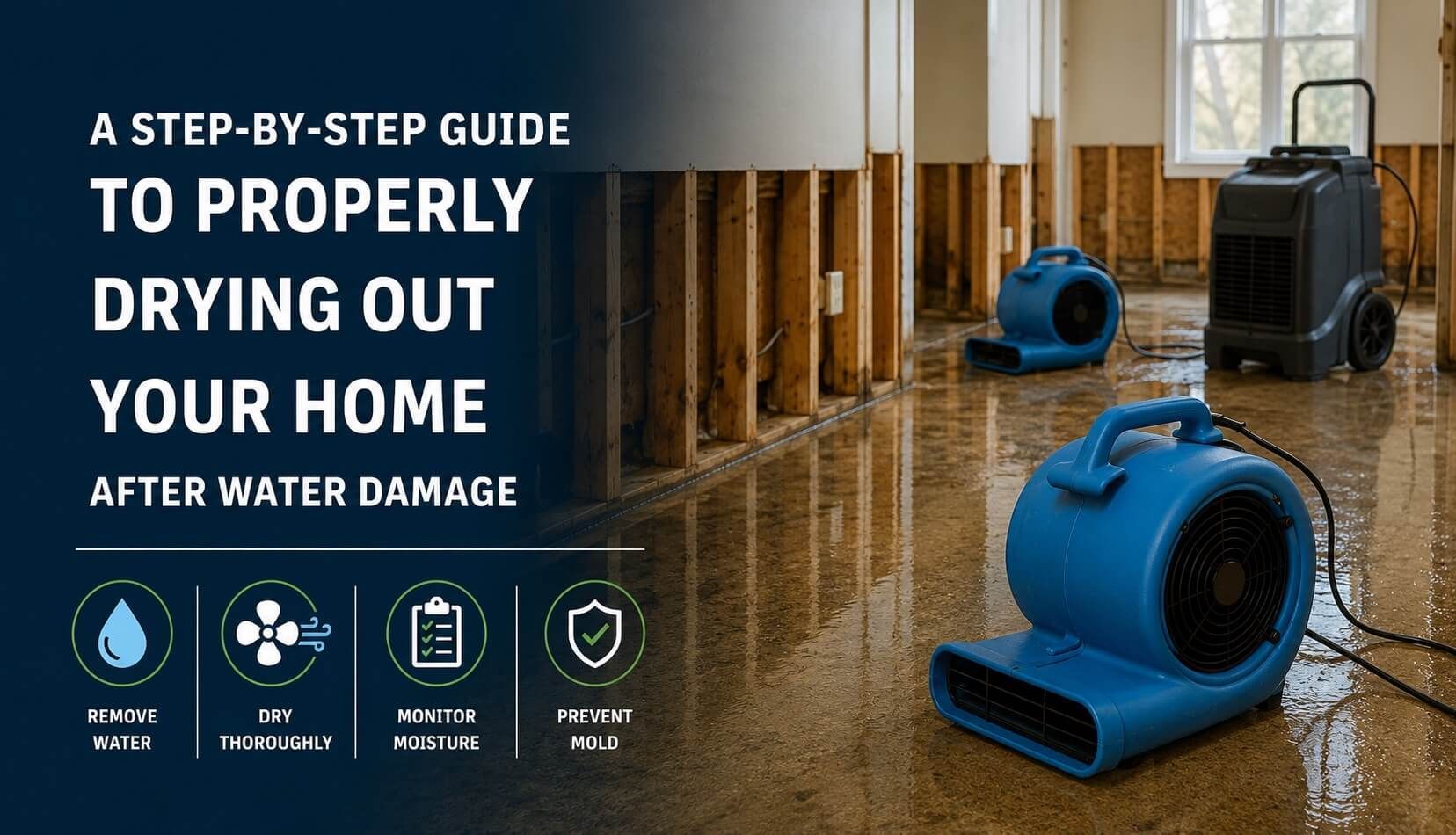
A Step-By-Step Guide To Properly Drying Out Your Home After Water Damage
Why Proper Dry-Out Matters More Than Most Homeowners Realize
When water enters your home — whether from flooding rivers, heavy rain, a burst pipe, appliance leak, or sewer backup — the damage doesn’t stop once the standing water is gone.
In fact, some of the most serious damage begins after the water appears to be cleaned up.
With the recent flooding throughout Central Wisconsin, especially in areas like New London and surrounding communities, many homeowners are now facing soaked flooring, wet drywall, damaged insulation, warped wood, and the very real risk of mold growth.
The first 24–72 hours are critical.
At Badgerland Restoration & Remodeling, we’ve helped Wisconsin homeowners recover from flood damage, storm damage, and water losses for decades. Here’s what every homeowner should know about properly drying out a home after water damage.
Step 1 — Stop the Source of Water
Before cleanup begins, make sure the water source has been stopped.
This could mean:
- Turning off the main water supply
- Shutting down a leaking appliance
- Blocking additional stormwater entry
- Waiting for flood waters to recede safely
If flood waters reached electrical outlets, appliances, or your breaker panel, avoid entering affected areas until power has been safely disconnected.
Safety always comes first.
Step 2 — Remove Standing Water Immediately
The longer water sits, the deeper it penetrates into materials.
Standing water quickly soaks into:
- Drywall
- Insulation
- Subflooring
- Cabinetry
- Trim
- Framing
- Furniture
- Flooring adhesives
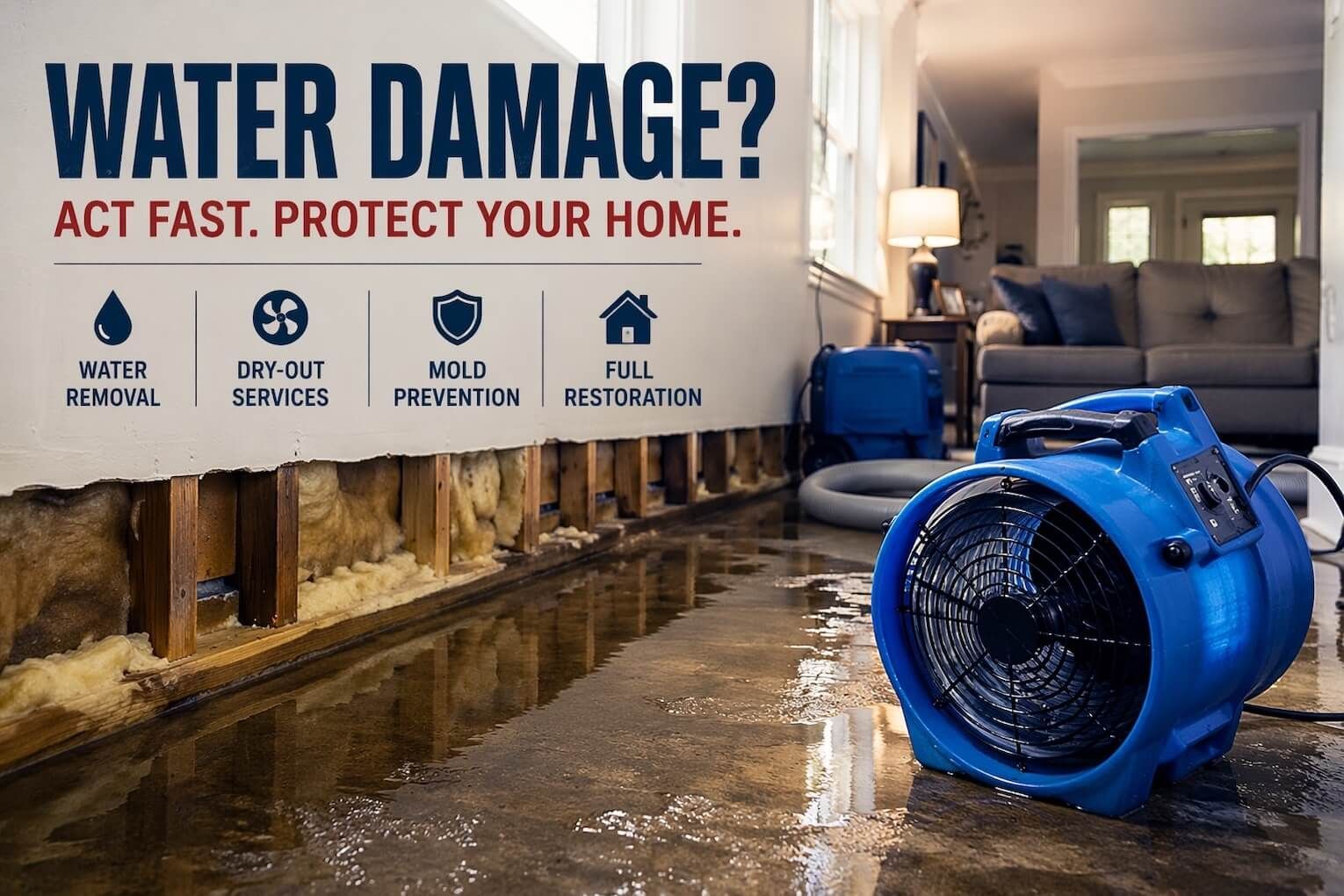
Professional extraction equipment removes water far more effectively than shop vacs or household fans.
The goal is to remove as much liquid water as possible before evaporation begins.
Step 3 —Identify Hidden Moisture
Just because the standing water is gone doesn’t mean your home is dry. Water can travel much farther than what you can see, soaking into walls, flooring, insulation, cabinetry, and structural materials. A surface may even feel dry to the touch while moisture remains trapped underneath or behind it.
Hidden moisture is commonly found:
- Behind drywall
- Inside wall cavities
- Beneath carpet and flooring
- Under cabinets and vanities
- In insulation
- Beneath subflooring
- Around baseboards and trim
Professional moisture meters and thermal imaging equipment can help identify areas where water has traveled and determine how much moisture remains within building materials. Finding these wet areas early is critical. Moisture left trapped inside a home can lead to mold growth, warped materials, wood rot, unpleasant odors, and additional structural damage long after the original water is gone.
Never assume an area is completely dry based on appearance or touch alone.
Step 4 — Remove Unsalvageable Materials Quickly
Some materials cannot be properly dried once saturated.
Depending on the category of water and exposure time, affected materials may need removal, including:
- Wet drywall
- Insulation
- Swollen particle board
- Laminate flooring
- Carpet padding
- Baseboards
- Damaged cabinetry
Flood water from rivers or sewage backups is considered contaminated water and often requires more aggressive removal due to bacteria and health risks.
Step 5 — Begin Professional Structural Drying
Proper dry-out is much more than simply placing a few fans in a room.
Professional drying involves:
- High-powered air movers
- Commercial dehumidifiers
- Strategic airflow management
- Moisture monitoring
- Humidity control
- Daily moisture readings
Drying equipment is carefully positioned to create evaporation and pull moisture from building materials.
This process can take several days depending on:
- Severity of damage
- Humidity levels
- Type of materials affected
- Temperature
- Amount of trapped moisture
Step 6 — Watch for Mold Growth
Mold can begin developing within 24–48 hours under the right conditions.
Signs of developing mold include:
- Musty odors
- Discoloration on drywall or ceilings
- Peeling paint
- Soft drywall
- Increased allergy symptoms
Unfortunately, mold is often hidden behind walls, under flooring, or inside insulation.
That’s why thorough drying is so important.
Simply masking odors or repainting damaged areas does not solve the problem.
Step 7 — Don’t Forget Hidden Areas
Some of the worst water damage happens where homeowners never look.
Common hidden moisture areas include:
- Behind cabinets
- Under hardwood floors
- Inside wall cavities
- Crawl spaces
- Under vinyl flooring
- Beneath bathroom vanities
- Around insulation
- HVAC systems and ductwork
Professional restoration crews know where moisture tends to travel and settle.
Step 8 — Contact Your Insurance Company Early
If the damage is significant, notify your insurance company as soon as possible.
Take photos and videos before removing damaged materials whenever safely possible.
Important things to document:
- Water lines on walls
- Damaged belongings
- Flooring damage
- Wet furniture
- Source of water intrusion
- Exterior flooding conditions
Keep receipts for:
- Emergency repairs
- Hotel stays
- Equipment rentals
- Cleanup supplies
Many policies may help cover mitigation services if handled properly.
Common Mistakes Homeowners Make After Flood Damage
Waiting Too Long
Every hour matters with water damage.
Using Only Household Fans
Residential fans typically cannot remove enough moisture from saturated materials.
Closing Up Wet Areas
Installing new drywall or flooring before moisture levels are safe can trap water inside the structure.
Assuming Everything Can Be Saved
Some materials become unsafe or unstable after prolonged exposure.
Ignoring “Minor” Water Damage
Small leaks often create major mold problems over time.
Flooding in Wisconsin Is Becoming More Common
With the recent heavy rainfall across Wisconsin and flooding near rivers and low-lying areas, many homes are experiencing water intrusion for the first time.
Communities throughout Central Wisconsin — including areas near New London, Waupaca, Wisconsin Rapids, and surrounding areas — have seen increased storm and flood-related water damage concerns this season.
Even a small amount of water inside your home can create serious long-term issues if not handled properly.
Need Help Drying Out Your Home?
Badgerland Restoration & Remodeling provides emergency water mitigation, flood cleanup, structural drying, storm restoration, and reconstruction services throughout Central and Northeast Wisconsin.
Our team helps homeowners:
- Remove standing water
- Dry structures properly
- Prevent mold growth
- Navigate insurance claims
- Restore damaged interiors and exteriors
Serving Central & Northeast Wisconsin
📞 (715) 942-2345
🌐 www.badgerlandrestoration.com