

Those Black Streaks Aren't Dirt: So What Are They?

Jenna Wydeven • 26 August 2026

Why Are There Black Streaks on My Roof?

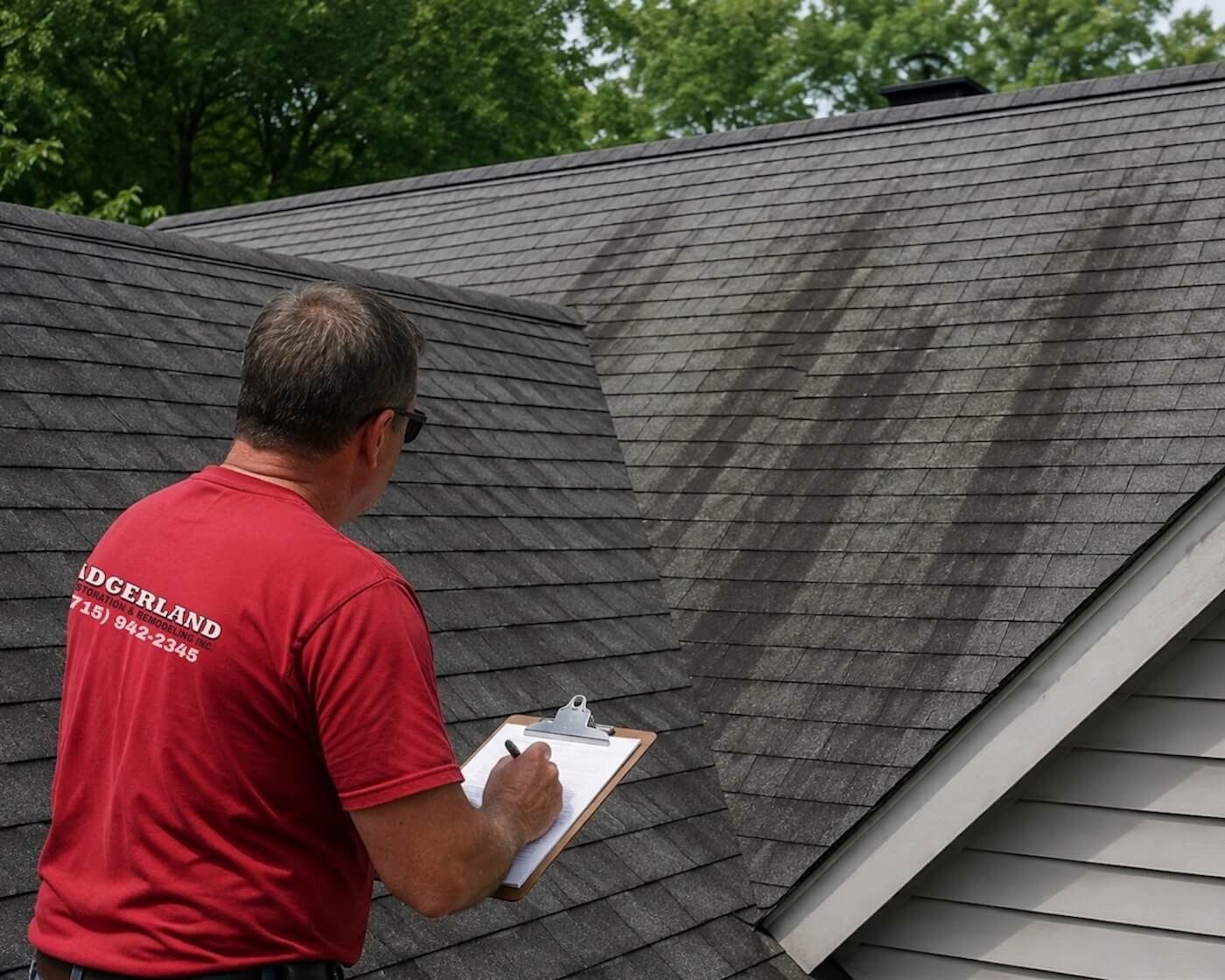
residential home with dark asphalt shingles showing black algae streaks across the roof.

If you’ve noticed dark streaks running down your roof, you’re definitely not the only one. They’re a common sight on asphalt-shingle roofs throughout Wisconsin—and despite how they look, those streaks usually aren’t dirt.


So what are they? In many cases, the culprit is a type of blue-green algae called Gloeocapsa magma. It thrives in moist conditions and can gradually spread across your shingles, creating the dark staining homeowners often mistake for dirt, mold, or ordinary roof discoloration.


The good news? Black streaks don’t automatically mean you need a new roof. But before you reach for a pressure washer or try a DIY cleaning solution, it’s worth understanding what’s growing up there, why it happens, and the safest way to deal with it.


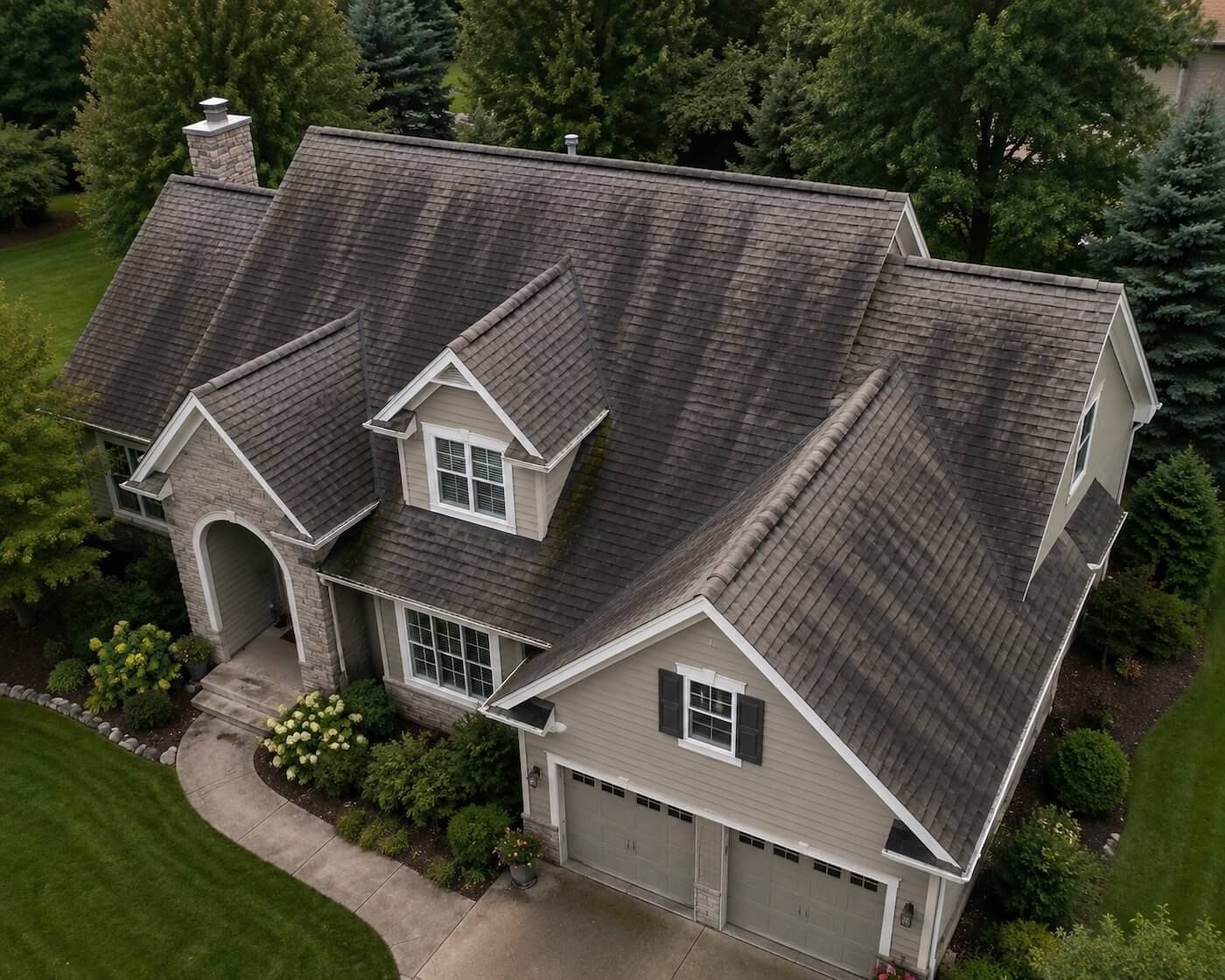
Aerial view of a Wisconsin home with black algae streaks visible across the asphalt shingle roof.

Those dark streaks running down asphalt shingles are most commonly caused by a type of blue-green algae known as *Gloeocapsa magma*. The algae can spread through airborne spores and tends to thrive in warm, humid areas where moisture lingers on the roof.


As the algae grows, it develops a dark protective coating, creating the black or charcoal-colored streaks you see running down the shingles. Because moisture encourages its growth, staining is often more noticeable on shaded areas of a roof—especially north-facing slopes or sections beneath trees that receive less direct sunlight.


Asphalt shingles can provide another ingredient the algae needs. Many shingles contain limestone filler, which can provide nutrients that help the algae continue to grow and spread.


That’s why the streaks often become more noticeable over time instead of simply washing away with the next Wisconsin rainstorm.
Why Do Some Roofs Get Black Streaks Worse Than Others?

If you’ve ever noticed one side of a roof covered in dark streaks while another side looks relatively clean, there’s a reason for that. Roof algae grows best where moisture sticks around.


Shade plays a big role. Roof sections that receive less direct sunlight stay damp longer after rain, morning dew, or humid weather. That’s why north-facing roof slopes and areas shaded by large trees are often the first places homeowners notice black streaking.

Trees can contribute in other ways, too. Overhanging branches reduce airflow and sunlight while leaves and other organic debris can collect on the roof and hold moisture against the shingles.


Wisconsin’s climate can also create favorable conditions. Warm, humid summer weather, frequent rain and long periods of moisture give algae plenty of opportunity to grow. Once established, airborne algae can gradually spread to other areas of the roof—and even neighboring homes.


That’s why two houses on the same street can have roofs of similar age but look completely different.

Roof inspector inspecting algae on shingle roof

Do Black Streaks Damage Your Roof?

Black streaks can make a roof look much older than it really is, but seeing them doesn’t necessarily mean your shingles are damaged or that your roof needs to be replaced.


In many cases, the biggest immediate concern is appearance. However, algae growth can indicate that portions of the roof are staying damp for extended periods—and moisture, shade and organic growth can create conditions that aren't ideal for your roofing system.


It’s also important to distinguish algae staining from other roof problems. Moss, lichen, missing granules, curling shingles and deteriorated roofing materials can sometimes appear alongside dark staining but may require very different attention.


That’s why the overall condition and age of the roof matter more than the color of the streaks alone. If you're unsure whether you're looking at harmless staining or signs of deterioration, a professional roof inspection can help determine what’s actually happening.


Bottom line: Black streaks aren't automatically a sign that you need a new roof—but they're worth taking a closer look at, especially if your roof is older or showing other signs of wear.


Can You Remove Black Streaks From a Roof?

Yes, black algae streaks can often be removed from asphalt shingles—but how the roof is cleaned matters.


Roof shingles aren't designed to withstand aggressive scrubbing or high-pressure washing. Cleaning methods that are too harsh can loosen or remove the protective granules on the surface of the shingles, potentially causing more harm than the algae staining itself.


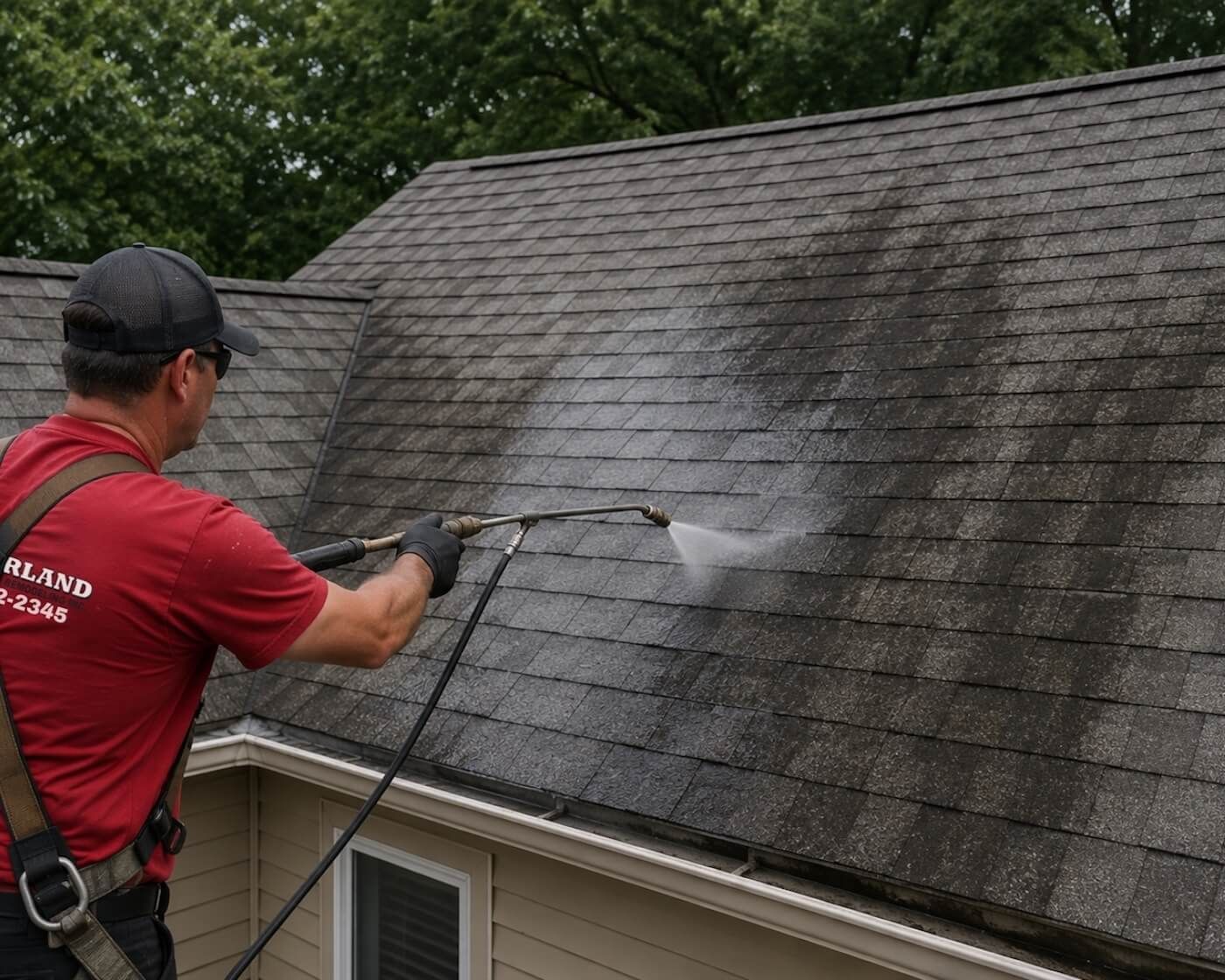
Professional roof cleaning typically relies on a low-pressure treatment designed to kill and remove organic growth without blasting the shingles. Depending on the amount of staining, the roof may not look perfectly clean immediately. Some remaining discoloration can gradually disappear as rain washes away the dead algae.


Before cleaning an older roof, it's also a good idea to evaluate its overall condition. If shingles are already brittle, curling, missing granules or nearing the end of their service life, cleaning may not be the best investment.


When in doubt, have the roof inspected first. That can help determine whether you're dealing with cosmetic algae staining that can be cleaned—or a roofing system that's showing signs of actual deterioration.

Roofing professional applying a low-pressure cleaning treatment to black algae streaks on an asphalt shingle roof.

Why You Should Never Pressure Wash Asphalt Shingles

A pressure washer might make quick work of dirt on a driveway or deck, but it can be far too aggressive for an asphalt-shingle roof.


Asphalt shingles are covered with tiny mineral granules that help protect the underlying asphalt from sunlight, weather and everyday exposure. High-pressure water can loosen and strip away those granules, leaving the shingles more vulnerable to deterioration.


Pressure washing can also force water beneath shingles and into areas where it doesn't belong. Depending on the roof's condition and how the water is directed, that moisture can potentially reach the roof decking or other components beneath the shingles.


There's another problem: blasting away the visible staining doesn't necessarily address the algae itself. If the underlying growth isn't properly treated, those dark streaks may eventually return.


And there's the safety issue. Walking on a wet, sloped roof while handling pressure-washing equipment can be extremely dangerous.


The better approach: If black streaks are bothering you, have the roof evaluated and use a cleaning method appropriate for asphalt shingles. A gentler treatment can address algae growth without subjecting the roofing system to unnecessary pressure.


Your roof doesn't need a power wash—it needs the right treatment.


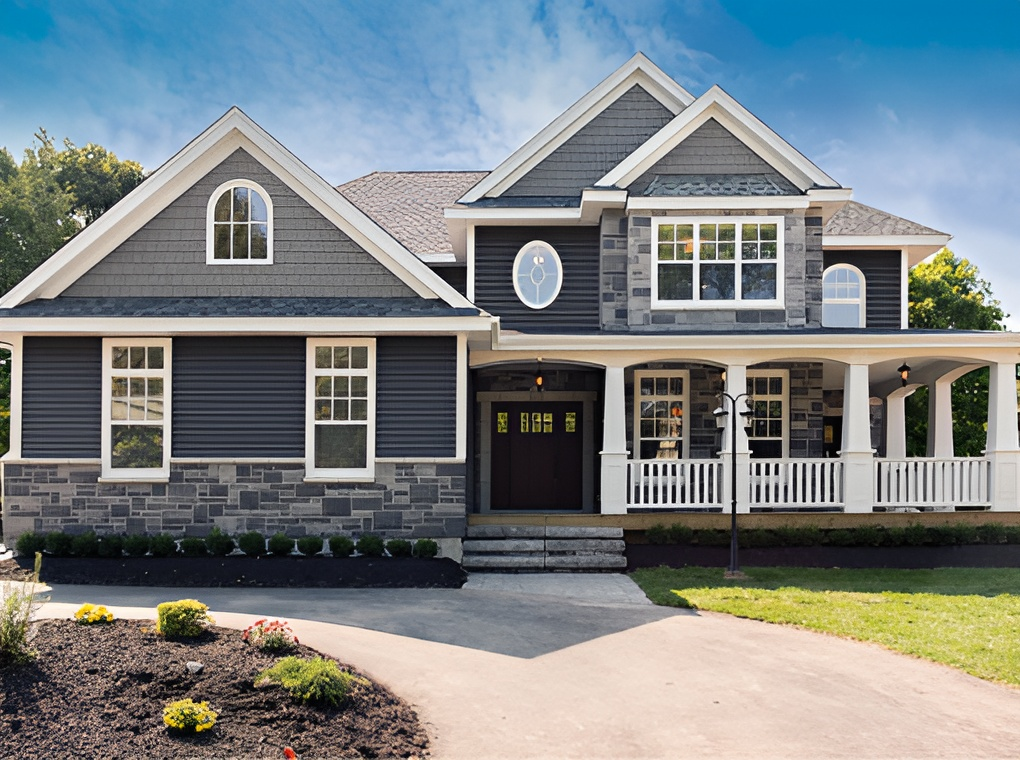
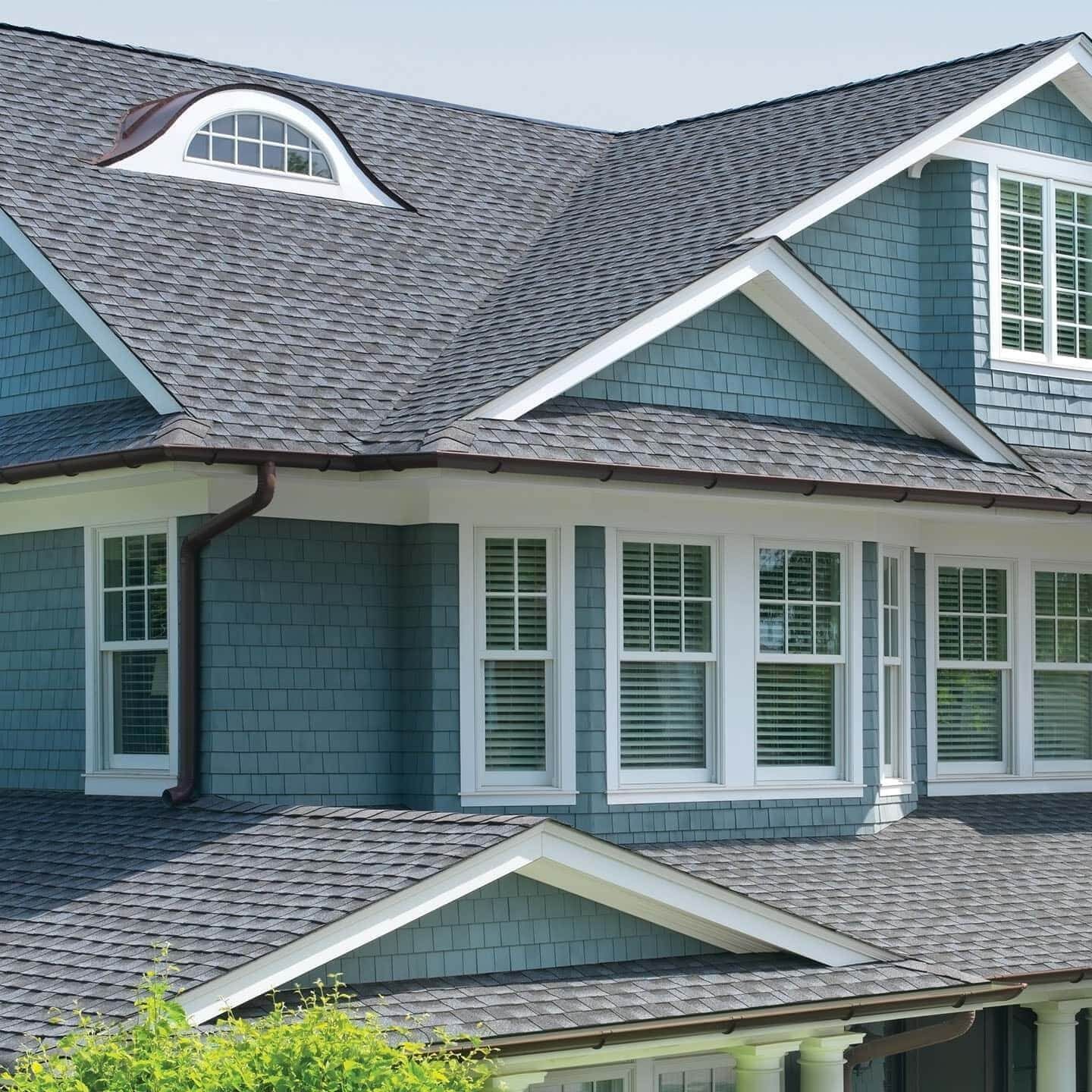
Elegant Gray-Roofed Home Amidst Greenery

How Algae-Resistant Shingles Help Prevent Black Streaks


If you're replacing your roof, you don't necessarily have to accept black streaks as something that will eventually come with it. Many modern asphalt shingles are designed with algae-fighting technology that helps prevent the growth responsible for those dark stains.


Algae-resistant shingles typically incorporate specially engineered granules containing copper or other algae-inhibiting materials. As the roof is exposed to moisture over time, these components help create an environment that makes it more difficult for algae to grow and spread across the shingles.


For Wisconsin homeowners, that can be especially valuable. Our combination of summer humidity, rainfall, shade and tree cover can create ideal conditions for roof algae.


Badgerland installs GAF roofing systems that offer algae-protection options designed to help roofs maintain their appearance longer. Certain GAF shingles feature StainGuard Plus™ Algae Protection Limited Warranty coverage, providing additional protection against the blue-green algae that causes those familiar black streaks.


Of course, algae resistance doesn't mean a roof will never get dirty or require maintenance. But choosing shingles designed specifically to resist algae growth can make a significant difference in how your roof looks as it ages.


If you're already planning a roof replacement, algae resistance is one feature that's worth considering—especially if black streaks are common on homes in your neighborhood.


Badgerland Restoration & Remodeling logo with image of Bucky Badger wearing a tool belt
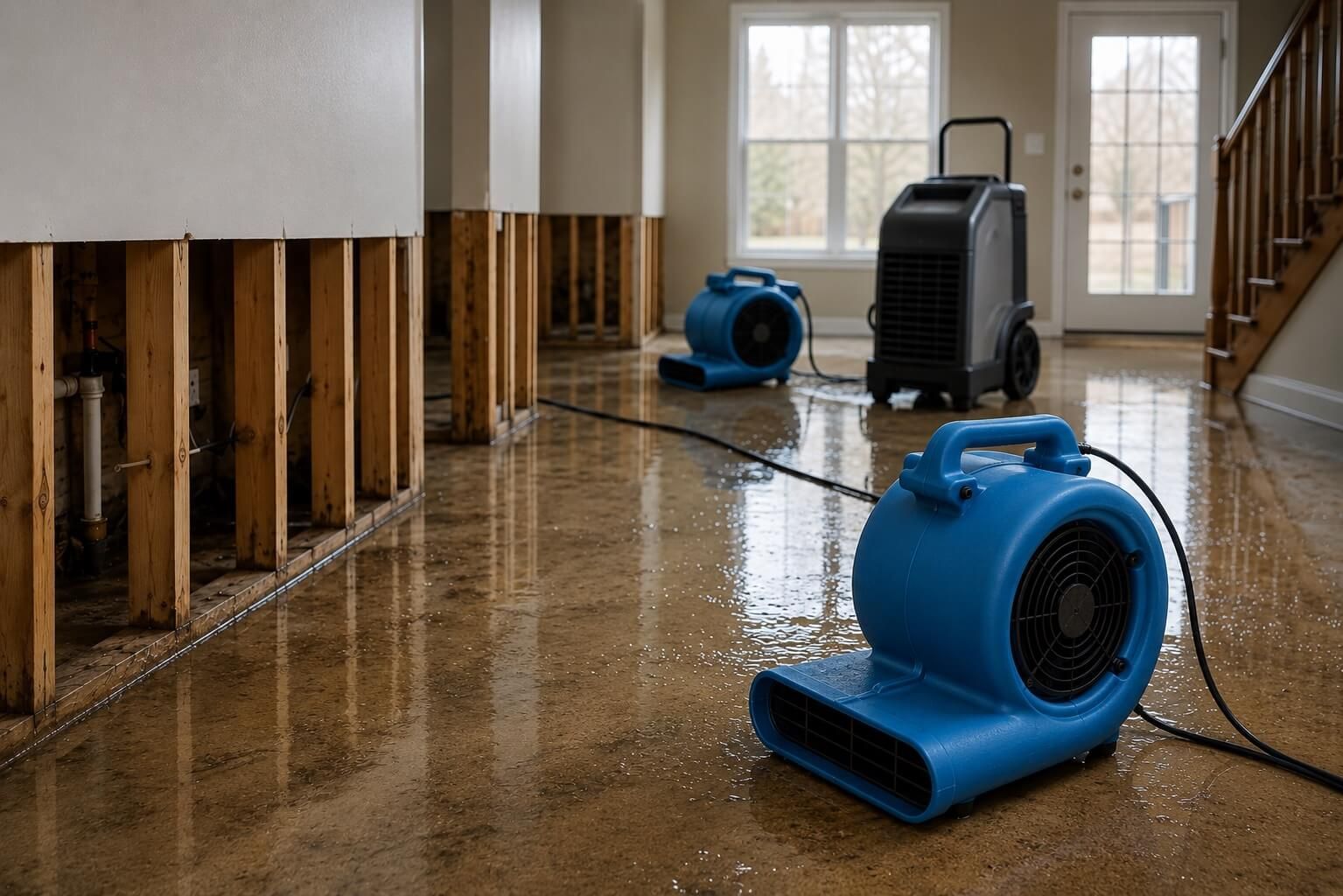
Industrial drying fans and dehumidifiers drying out a flood-damaged home with exposed wall framing a
by Jenna Wydeven 19 May 2026
Learn how to dry out your home after flooding or a broken water pipe with expert water damage restoration tips, mold prevention advice, and emergency flood cleanup steps.
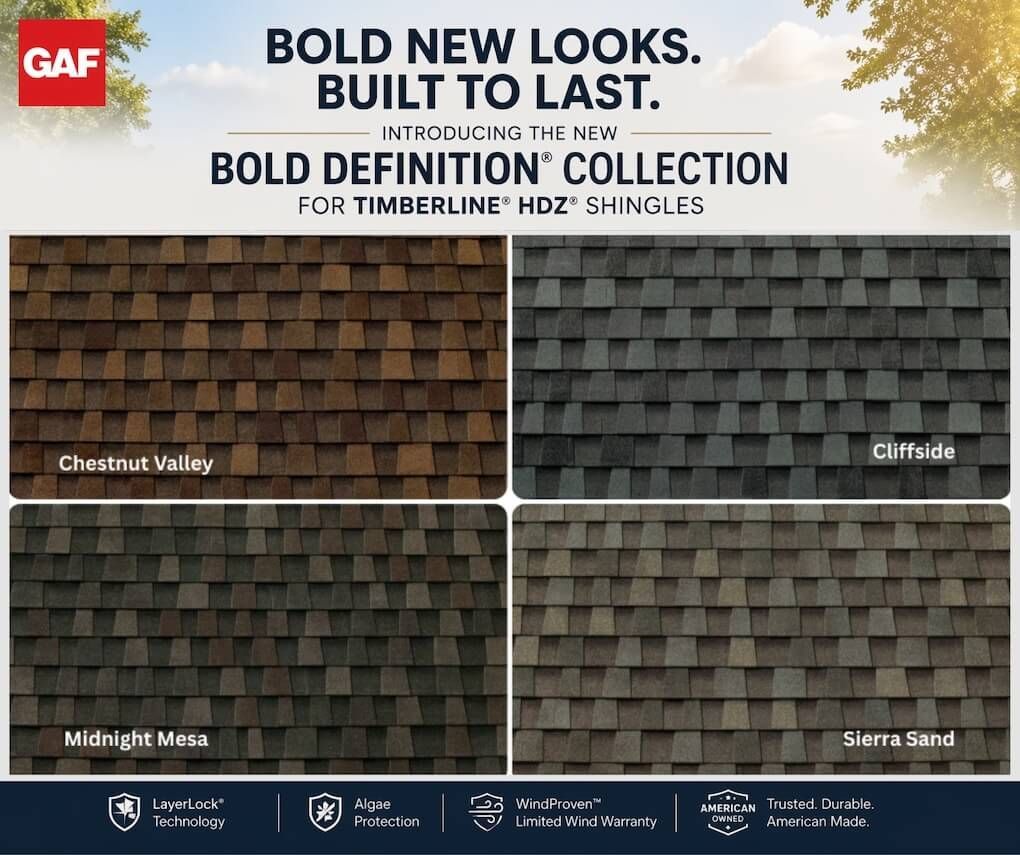
GAF Timberline HDZ Bold Definition Collection showcasing four new architectural shingle colors for 2
by Jenna Wydeven 22 April 2026
Explore GAF’s new Timberline HDZ Bold Definition Collection featuring Chestnut Valley, Cliffside, Midnight Mesa, and Sierra Sand shingles.
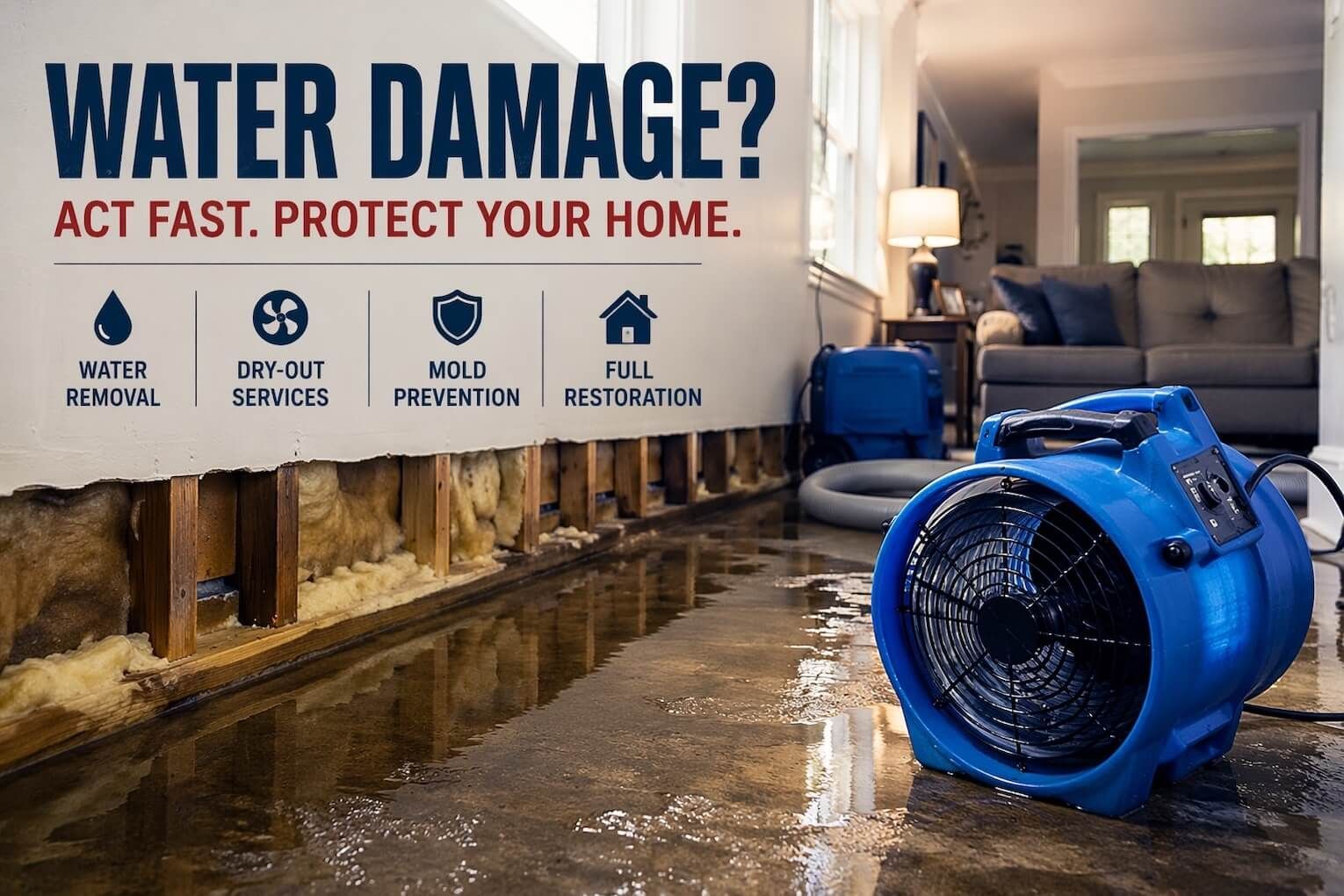
Water damage restoration with industrial air mover & exposed wall showing insulation during dry-out
by Jenna Wydeven 14 April 2026
Water damage can get worse fast. Learn why the first 24–48 hours matter and how proper dry-out protects Wisconsin homes from costly damage.
Trending kitchen remodel ideas that increase home value n Stevens Point Wuapaca Wisconsin Rapids
by Jenna Wydeven 4 November 2025
Discover the top home improvements that boost value and comfort in Wisconsin — roofing, siding, windows, kitchens & baths by Badgerland Restoration & Remodeling.
Badgerland Restoration & Remodeling Roofing, Siding & Window Contractor in New London Wisconsin
by Jenna Wydeven 23 September 2025
Family-owned contractor since 1994. Roofing, siding, windows, kitchen & bath remodels. Serving North Central & Northeast Wisconsin with trusted quality.
The Ultimate Fall Roof Maintenance Checklist to Prepare Your Home Before Winter
by Jenna Wydeven 17 September 2025
Prepare your roof for winter with our fall maintenance checklist. Prevent ice dams, leaks & costly repairs with tips from Wisconsin’s trusted roofing experts
Home exterior showcasing a mix of siding styles and colors, including board and batten, shake accent
by Jenna Wydeven 2 September 2025
Discover the top siding colors and styles of 2025 that boost curb appeal, add home value, and stand up to Wisconsin weather. Get inspired for your remodel!
Single-family home fully restored with Community Development Block Grant (CDBG) Program
by Jenna Wydeven 8 July 2025
Learn how Wisconsin homeowners can qualify for the Community Development Block Grant (CDBG) Program and get help paying for roof, siding, or window repairs.
Home insurance little house on table with coins money
by Jenna Wydeven 13 May 2025
Confused about the home insurance claim process? Learn how insurance payouts really work, what ACV vs. RCV means, and why hiring the right contractor matters. Discover the top 5 homeowner misconceptions about storm damage claims and get expert tips from Badgerland Restoration & Remodeling—Wisconsin’s storm damage repair specialists.
by Jenna Wydeven 30 April 2025
On April 12, 2022, a severe hailstorm tore through parts of Central Wisconsin, carving a path from south of Waupaca through Weyauwega and into New London and Hortonville. As the storm subsided, it left behind a trail of extensive damage to homes, vehicles, and properties—our phones at Badgerland Restoration & Remodeling in Weyauwega, WI rang nonstop. One of those calls came from a concerned homeowner in Hortonville. They suspected their home had sustained hail damage and asked if we could perform an inspection. Upon arrival, we confirmed what the homeowner feared: their property had suffered significant damage to the standing seam metal roof, windows, deck, and siding. We advised the homeowner to promptly file an insurance claim.